Sunday, November 16, 2014

Tips from Centenarians

Tips from Centenarians 

The way you think about aging may in fact play a role in how old you “allow” yourself to get. The majority of centenarians—people who live to be 100 years old or older—report feeling about 20 years younger than their chronological age, and their mindset has a lot to do with this self-perception. Most centenarians, regardless of their health status, tend to have positive attitudes, optimism, and a zest for life. Could it be that personality characteristics and worldviews play a more significant role than genetics, diet, or exercise? Perhaps!
One way to determine this is to ask centenarians questions about how they see the world, what they value, and to what they attribute their own longevity. What are their secrets to aging well? These individuals represent centuries of wisdom that should not be overlooked. Mining the minds of centenarians for nuggets of wisdom, researchers have been able to detect a definitive pattern of thinking and behavior among the eldest among us. Centenarians overwhelmingly cite stress as the most important thing to avoid.
Those who have lived 100 years or more on this earth have undoubtedly experienced a number of stressful events, but as a general rule, they manage their stress really well. Rather than dwelling on it, they let it go. And most often, they choose to be happy—despite everything.  In interviews and surveys with centenarians, the following themes also come up time and time again when asked to explain “why they've lived so long:”6
Keeping a positive attitude; living with passion Eating good food
Exercising moderately (most report basic activities, like walking, biking, gardening, swimming, etc.)Clean living (not smoking or drinking excessively, etc.)
Living independentlyFamily and friends
Staying mentally active and always learning something newFaith/spirituality; being able to forgive and let go of stress

Friday, November 14, 2014

Get Out of Your Way


Strength Coach Joseph Arangio recently posted the top 10 ways people hold themselves back when it comes to achieving their fitness goals:

  1. You have no goal
  2. You're not training hard enough
  3. Your'e not eating enough
  4. You're not sleeping enough
  5. You write your own workouts
  6. You do too many exercises
  7. You're inconsistent
  8. You don't warm up
  9. You skip workouts
  10. You blow it all on the weekend

One More Reason to Get a Good Night's Sleep

Men and Mental Health


Business consultant/fitness specialist Megan Senger wrote an interesting piece for IDEA Fitness Journal in October about men's mental health.  She wrote, 'while it's outside the scope of practice for a fitness professional to diagnose or treat mental illness, awareness is important.'

The following statistics highlight the need for more support in this area:

  • More than 6 million men have depression each year
  • Suicide is the 7th leading cause of death for all U.S. men
  • Men are four times more likely than women to commit suicide
  • Men underreport depression and may also underreport suicide attempts
Depression may not look the same in men as it does in women, according to William Pollack, PhD, of Harvard Medical School.  Men experiencing depression may display it in various ways other than sadness including:
  • anger
  • aggression
  • work "burnout"
  • risk-taking behavior
  • alcohol and substance abuse
If left untreated, these symptoms may worsen and lead to even more serious problems. 

Thursday, November 13, 2014

"Couch-to-5K" Feedback


I just wrapped up two "Couch-to-5K" Programs and I am so happy how everyone did.  I received some wonderful feedback that I wanted to share.  Here are a few comments from some of my participants:

"I ran the V.A. Fun Run in Bedford today.  I did it all without stopping!  I am very proud of myself.  I followed your schedule and it worked!  I am so pleased."

"Paul was very kind, encouraging, and supportive.  He was not judgmental if you couldn't meet the class expectation.  He snuck in small pieces of advice in an encouraging way."

"Paul is great.  He is very approachable and he supplements his training with useful information via e-mail between sessions.  I was nervous to sign up because I am so out of shape but I felt great after each session."

Wednesday, November 12, 2014

Saturday, October 11, 2014

Tuesday, September 30, 2014

Saturday, September 27, 2014

Couch to 5K Success!


Throughout the summer, I run several 'Couch to 5K' Programs.  I received a wonderful testimonial from a participant in Littleton who I trained this past summer:


I have never been much of a runner.  Last summer I started running and attempted my first 5K.  It was not a positive experience and therefore did not continue with running regularly.  This year, when the opportunity to train for a 5K came up, I decided to try again since I had started to get more in shape this year through strength training.  I found this Couch to 5K program to easy to start and I felt successful in completing the weekly routines.  By the end of the summer, I was able to run for 30+ minutes at a faster speed.  I completed the 5K at the end of the program and beat my last years time by 3:00! I felt the training, support, and encouragement that I got from the trainer, Paul Connolly, was helpful and necessary in me achieving my goal.  I now have the goal to run either the Falmouth Road Race next summer or the Boston Half Marathon.  Thanks, Paul!! 

Liz P.
-Littleton, MA 

Friday, August 29, 2014

Healthy Foods You Should Have In Your Fridge


If you want to be healthier and lose weight, a fridge makeover may be just what you need. Keeping powerful perishables on hand will help you make a smart choice when you're tired, busy, or just craving junk. Stock up on these 10 foods and watch the pounds melt away.

http://www.fitsugar.com/Healthy-Foods-You-Should-Have-Your-Fridge-34872965#opening-slide

Wednesday, August 27, 2014

Sunday, August 24, 2014

Wednesday, August 20, 2014

Top 5 Exercises


Great video from Boston.com about the Top 5 Exercises everyone should be doing (at least a variation of them) in the gym every workout:

http://www.boston.com/health/2014/08/11/hit-list-exercises-everybody-should/pra77PfIuJJZbbB4uUJVhJ/story.html

Thursday, July 24, 2014

Wednesday, July 23, 2014

How Accurately Do Fitness Trackers Monitor Sleep?

Perform Better End of Summer Sale


(Click the 'Perform Better' Banner to the right to check out all the great Summer Sale deals!)

Thursday, July 17, 2014

Wednesday, July 09, 2014

Friday, July 04, 2014

Can Exercise Reduce Alzheimer's Risk?


Can exercise reduce Alzheimer's Risk? Some very interesting has come out of the Cleveland Clinic in Ohio.  Check out the full article here: http://well.blogs.nytimes.com/2014/07/02/can-exercise-reduce-alzheimers-risk/?_php=true&_type=blogs&_r=0

Wednesday, June 25, 2014

Can A Daily Lottery Prevent Second Heart Attacks?


Can a daily lottery help prevent second heart attacks? Researchers in Pennsylvania are trying to find out.  Check out the full article HERE: http://online.wsj.com/articles/motivating-heart-patients-to-take-their-medicine-1402062220

Sunday, June 22, 2014

Energy Drinks Blamed in 16 year old girl's death by Heart Attack


Sad story here.  I was never a fan of "energy drinks"  http://www.syracuse.com/news/index.ssf/2014/06/energy_drinks_blamed_in_16-year-old_girls_death_by_heart_attack.html

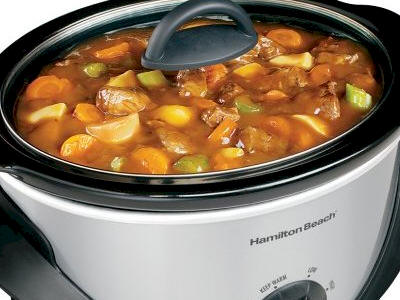
Slow Cook Your Way To Slim


Slow cooker recipes are great because they can not only be nutritious, but provide several days' worth of meals that come in handy- particularly if you have a busy schedule and don't have time every day to prep your meals.  Check out the full article here for some delicious recipes:
http://www.bodybuilding.com/fun/slow-cook-your-way-to-slim.html

Mobile Fitness Apps


In the world of mobile apps, 2014 appears to be shaping up to be the year of the fitness fanatic.  Check out this article for more info: http://www.cnet.com/news/fitness-fanatics-are-driving-a-mobile-app-usage-boom/

What Your Poop Says About Your Health


Outside of Dr. Oz, you don't hear many folks discussing their poop habits/behaviors.  Here's an interesting piece from Men's Health on this very subject: http://www.menshealth.com/health/poop-health?cid=social_20140620_26421676&cm_mmc=Twitter-_-MensHealth-_-Content-Health-_-PoopHealth

Are You Still Hungry After You Ate? Here's Why...


Not enough protein.....not enough fiber.....check out the full scoop here: http://www.menshealth.com/weight-loss/reasons-youre-still-hungry?cid=social_20140618_26185476&cm_mmc=Twitter-_-MensHealth-_-Content-WeightLoss-_-StillHungry

Wednesday, June 18, 2014

Thursday, June 05, 2014

Drum Picture

My 8 y/o niece drew this picture of her Uncle Paul next to his drums.  I love it!

Saturday, May 31, 2014

Single Leg Deadlifts


One of my favorite lower body strength exercises is the Single-Leg Deadlift.  Check out this fantastic article from the Girls Gone Strong web site for more information: http://www.girlsgonestrong.com/exercise-spotlight-single-leg-deadlift/

P90x and Muscle Confusion: The Truth


Charles Staley wrote a really good piece for T Nation all about P90x.  Check it out HERE: http://www.t-nation.com/training/p90x-and-muscle-confusion-the-truth

Cooking With Coconut Oil


Coconut oil is all the rage these days.  Many people have started using it to cook with as a butter replacement.  It has many other uses as well.  Check out this article from Whole Foods Market: http://www.wholefoodsmarket.com/blog/cooking-coconut-oil


More Good News About Walking


Regular exercise, including walking, significantly reduces the chance that a frail older person will become physically disabled, according to one of the largest and longest-running studies of its kind to date.

Check out the full article HERE: http://well.blogs.nytimes.com/2014/05/27/to-age-well-walk/

Wednesday, May 14, 2014

Preventable Factors Cause Majority of US Deaths


As recently reported by CNN Health and Time Magazine, five things account for nearly two-thirds of all deaths in the US, or about 900,000 each year:
  • Heart disease
  • Cancer
  • Lung disease
  • Stroke
  • Unintentional injuries, including medication overdoses and car accidents

Friday, May 09, 2014

Saturday, May 03, 2014

Metabolic Effects of High Intensity Interval Training (HIIT)


Great research from Len Kravitz, PhD, program coordinator of exercise science @ the University of New Mexico:

"HIIT Summary: The most common benefit from HIIT- and certainly highly significant- is the improvement in VO2 max linked to enhanced protection from heart disease.  Perhaps equally important are HIIT's dramatic acute and chronic effects on improving insulin sensitivity.  

The effects of HIIT on visceral fat and subcutaneous fat loss are encouraging.  And the impact HIIT has on reducing systolic and diastolic blood pressure (when elevated) and improving HDL cholesterol is promising.  The evidence is in, and it appears that HIIT is a metabolic health effects winner!"

The Danger of Sports Specialization


"Repeated trauma to the nervous, skeletal and muscular system can be hidden in an athlete who is in his/her early 20's, but micro trauma from repetitive stress will accumulate over time and will definitely catch up with an individual later in life."

-Isaiah Truyman
CEO: Ezia Human Performance

Tuesday, April 15, 2014

The Jar- and the Beers


A professor stood before his philosophy class and had some items in front of him.

When the class began, he wordlessly picked up a very large and empty mayonnaise jar and proceeded to fill it with golf balls.

He then asked the students if the jar was full.

They agreed that it was...

The professor then picked up a box of pebbles and poured them into the jar. He shook the jar lightly.

The pebbles rolled into the open areas between the golf balls.

He then asked the students again if the jar was full.

They agreed it was...

The professor next picked up a box of sand and poured it into the jar.

Of course, the sand filled up everything else.

He asked once more if the jar was full.

The students responded with a unanimous 'yes.'

The professor then produced two Beers from under the table and poured the entire contents into the jar effectively filling the empty space between the sand.

The students laughed...

'Now,' said the professor as the laughter subsided, 'I want you to recognize that this jar represents your life.

The golf balls are the important things---your family, your children, your health, your friends and your favorite passions---and if everything else was lost and only they remained, your life would still be full.

The pebbles are the other things that matter like your job, your house and your car.
The sand is everything else---the small stuff.

'If you put the sand into the jar first,' he continued, 'there is no room for the pebbles or the golf balls.

The same goes for life.

If you spend all your time and energy on the small stuff you will never have room for the things that are important to you.

Pay attention to the things that are critical to your happiness.

Spend time with your children.

Spend time with your parents.

Visit with grandparents.

Take time to get medical checkups.

Take your spouse out to dinner.

Play another 18...

There will always be time to clean the house and fix the disposal.

Take care of the golf balls first---the things that really matter.

Set your priorities.

The rest is just sand.

One of the students raised her hand and inquired what the Beer represented.

The professor smiled and said, 'I'm glad you asked.'

The beer just shows you that no matter how full your life may seem, there's always room for a couple of beers with a friend.

Saturday, March 29, 2014

2 Bench Press Fixes


I thought my friend Tony did a GREAT job in this video.

Wednesday, March 19, 2014

Do You Spend or Invest Your Time?


Great article from one of my favorite speakers, Martin Rooney:

When you were born, you were given the greatest gift in the cosmos.  You were given a life of time.  Most people, however, don’t value their time.  Perhaps this is because this great gift was given to us for free.

Think you are smart enough to avoid “spending” your time?  Maybe not.  In fact, many people spend huge amounts of their time each day without any return on investment.  When you spend your time in front of the TV, searching aimlessly on the internet, eating the wrong food or hanging out with the wrong people, you are spending time with no real hope of a positive return.  The short-term return of a cheap laugh, sugar rush, or extra pound of fat may feel good at the time, but is worthless in the long term.  A successful life is not created when you simply spend time.  Success happens when you invest it.

No matter who you are or where you are from, you have something in common with everyone else: you were given 24 hours today, and the Clock is Ticking. In your Time Budget, you are given 24 hours in a day.  Today you, like everyone else, will get 24 hours.  What you do with each 24 hour day added up over your lifetime will determine your future.  If you really understand that, then every hour, minute and second becomes valuable.  In fact, time is more valuable than money because you can always get more money, but once your time is gone, you cannot have it back.  Budgeting wisely how that time is used is critical for success.  The most important ratio to examine on your Time Budget is the amount of time spent versus the amount of time invested.

When you invest money, you should expect a return. The same should be true for your time.  If you think there might be some places in your life where you are “leaking” time, below are some excellent ways to increase your investment:

1.  Invest your time in getting proper sleep, exercise and nutrition.  Do this and you not only gain more time, but the time will be more productive and enjoyable.

2.  Invest in your future.  Work to develop your goals, purpose and planning. When time is properly invested here, there is less chance of improper time spending.

3.  Invest quality time in your family and friends. When you invest time in these bonds, you are not just investing in yourself.  If you invest enough in these bonds over your lifetime, the value of these bonds continue long after you do.

4.  Invest time in your network.  When a network is built correctly, you gain back much more time than if you tried to do things by yourself.

5.   Invest your time in challenging activities that force you to develop and grow.  These activities may include reading, speaking, traveling, and learning.


Don’t just learn how to spend time, instead learn how to invest it.

Yours in Strength,

Martin


Wednesday, March 12, 2014

Body Transformation Lessons


1. Realize that exercise alone doesn’t work.
2. Find a big motivator.
3. Find something to lose.
4. Choose proof over theory.
5. Do one small thing every day.
6. Make your commitments a little too easy.
7. Find someone to answer to.
8. Focus on behaviors, not outcomes.
9. Let your coach track the results.
10. Get a support network.

Wednesday, March 05, 2014

Whole Foods' Sweet Potato, Corn and Kale Chowder


I had some of this today from Whole Foods.  Sooooooo yummy!!!! This is a deceptively rich and satisfying vegetarian chowder that can easily be served as a main course. Once you chop all the vegetables (you can use your food processor fitted with the metal blade), the rest is a breeze.

1 tablespoon canola oil
2 medium carrots, chopped
1 medium red onion, chopped
2 medium celery ribs, chopped
1 large red bell pepper, cored, seeded and chopped
1 large sweet potato, peeled and chopped
1 large sprig fresh thyme, leaves minced
3/4 teaspoon turmeric
1 medium ripe tomato, seeded and chopped
5 3/4 cups water or vegetable broth, divided
5 teaspoons Better Than Bouillon Vegetable Base, optional but good
1 cup fresh or frozen corn kernels
3 cups chopped fresh kale (make sure you remove the heavy stems first)
Salt and white pepper, to taste
Cayenne pepper, to taste (we used just a dash)
1 tablespoon cornstarch
1/2 cup cashews
1/2 cup chopped fresh parsley
In a nonreactive large pot (ours was 5 quarts), heat the canola oil over medium-high heat. Saute the carrots, onions, celery, red peppers and sweet potatoes about 3 minutes or just until beginning to soften.
Add the thyme and turmeric, combining well with the vegetables. Add the tomatoes and 5 cups water or vegetable broth. If using water, add the vegetable base, if desired. Stir well, bring to a simmer, partially cover and cook 20 minutes.
Add the corn, kale, salt and white pepper. Return to a simmer and cook 5 minutes. Season with cayenne pepper.
Meanwhile in a blender or a food processor fitted with the metal blade, process the cornstarch, the remaining 3/4 cup water or broth and the cashews. Slowly stir this mixture into the simmering soup and continue to simmer, stirring often, 3 minutes, or until slightly thickened.
Remove from the heat, stir in the parsley and serve. The soup can be made several hours or a day ahead. Reheat slowly over medium-low heat. It will also keep well, covered and refrigerated up to 3 days. Makes about 12 cups.

Tuesday, March 04, 2014

Good Exercise Humor from my fav comedian, Brian Regan


Sandbag Training


The Wall Street Journal ran an article in today's paper (http://online.wsj.com/news/articles/SB10001424052702304360704579417141446599718?KEYWORDS=Sandbag+training&mg=reno64-wsj&url=http%3A%2F%2Fonline.wsj.com%2Farticle%2FSB10001424052702304360704579417141446599718.html%3FKEYWORDS%3DSandbag%2Btraining) about training with sandbags.  A client of mine and I were discussing at her training session this morning and I gave her my thoughts.  Like any other style of training, the modality needs to be specific to the person's goals, needs, limitations, etc... A phrase that's been around in the fitness industry for many years now is "Functional Training."  I've always said anything is functional if it is purposeful.  Does it apply to the client's needs?  

When I look at Sandbag Training, these are some the populations I'd implement it with:

  • Nurses, Health Care Aids, etc... who regularly have to transport non-ambulatory patients
  • Fire/Police/EMS personnel who have to carry injured/disabled persons
  • Family members of handicapped individuals where they are required to lift others
Long story short.....I like sandbag training for a select group of people.  In your typical commercial gym setting, I see no need for it.  

Wednesday, February 26, 2014

Strength Training Tips for Everyone

(Bodyweight Variation of a "1-Arm/1-Leg Stiff-Legged Deadlift")


Improving Posture- A simple way to improve your posture is to alter your “pull:push ratio.”  Specifically, your program should contain more pulling than pushing.  Seated Rowing, Chin-ups, Pull-ups, Dumbbell Rows, etc… should be performed in a 3:1 ratio with Push-ups, Dumbbell Pressing, etc…

Strength Progressions- A common way to challenge your muscles is to gradually increase the amount of weight you lift.  However, this progression in weight should be as small as possible.  For example, if 20 lbs. on a given exercise is too light, 30 lbs. is too much (50%) of a jump.  Consider 22.5 lbs. if possible.  Your muscles may tolerate the jump, but your ligaments and tendons also have to adjust.  The 2.5 lb. plates are very underrated.  Use them as a means of sensible strength progressions.

Lower Body Training Balance- Squat and lunge variations are common “knee-dominant” lower body exercises, but to develop strength symmetry through the legs, your program should incorporate “hip-dominant” exercises as well.  Movements such as Stiff-Legged Deadlift (SLDL) variations and Hip Extension variations should be included in your lower body training to strengthen the “Posterior Chain” (i.e. Glutes and Hamstrings).  This mode of training is a great way to protect the knee joint and may also reduce the incidence of injury (i.e. ACL, Meniscal tears, etc…)


Saturday, February 15, 2014

The Power of Sleep for Athletes


By the 2012 Olympics Usain Bolt became the first man in history to win 6 Olympic gold medals in sprinting.
So what does Bolt consider to be the most important part of his daily training regime? None other than sleep.

Thursday, February 13, 2014

Sunday, February 09, 2014

Reverse Crunches


I was doing these with a client this past week and I still rank as them as one of my favorite underrated exercises.  

Saturday, February 08, 2014

Wednesday, February 05, 2014

Did the Biggest Loser REALLY produce a Winner?


Rachel Frederickson, a 24-year-old who started the weight loss contest at 260 pounds, was crowned the winner by losing about 60 percent of her body weight and weighing in at a very lean 105 pounds.  The concern among some viewers is that Rachel went too far and lost too much weight.  

Personally, I think she looks waaaaay too skinny.  

Check out the full breakdown here: http://www.boston.com/lifestyle/health/blog/nutrition/2014/02/did_the_biggest_loser_really_h.html

Tuesday, February 04, 2014

Saturday, January 11, 2014

Tuesday, January 07, 2014

New Testimonial


One of the great things about my profession is the rewarding feeling knowing that I get to help people.  I am lucky to have many of them write to me and describe their experience with me.  I had a former group exercise client write the following to me today:

I just read your latest newsletter.  What I like most about you and your newsletters is that you are always optimistic.

I think that can overcome a lot in a person's life.  You also have great tips and something for everyone every time.
 
May you be blessed in 2014.

-Candie B.
West Newbury, MA

Tuesday, December 31, 2013

Good video on complexes


One of my mentors, Coach Robert Dos Remedios, recently created this video of his soccer players. In it, the athletes are demonstrating "complexes," where a traditional strength movement is followed by a power movement involving a similar muscle group/movement pattern. A couple examples of complex training could include the following:
  • Push-ups followed by Linear Med. Ball throws
  • Squats followed by Squat Jumps
  • Chin-ups followed by Med Ball Slams
Complexes are both challenging and fun. Give them a try.

Thursday, December 26, 2013

The Tabata Method- Perfected


Great article by Dan John:

http://www.t-nation.com/free_online_article/most_recent/the_tabata_method_perfected&cr=

A Formula for Happiness


Work can bring happiness by marrying our passions to our skills, empowering us to create value in our lives and in the lives of others.

Check out the full article here: http://www.nytimes.com/2013/12/15/opinion/sunday/a-formula-for-happiness.html

Saturday, December 21, 2013

Eating for Injury Recovery


Eating For Injury Recovery John M Berardi, PhD, CSCS Ryan Andrews, RD, MA, MS www.precisionnutrition.com
To most sport and exercise professionals, the idea that nutrition can play a powerful role in injury recovery makes perfect sense. However, when injury strikes, very few individuals know just how to put nutrition to work for their clients and athletes. So, in today’s article we’ll review the best practices for using nutrition to dramatically speed up the injury recovery process.
Injury Recovery Step By Step
Although injuries can feel disorganized and chaotic, the body’s road to recovery represents a highly organized and well-coordinated physiological process. And, by understanding the steps in the recovery process, nutritional targets can more easily be identified.
Step 1 Inflammation [lasts up to 4 days post-injury]
Immediately after injury strikes, the earliest response is inflammation. Damage has occurred. Injured tissues are deprived of their normal flow of oxygen and nutrient-rich blood. And cell death is initiated. Of course, during this phase, pain, swelling, redness and heat are common.
Step 2 Proliferation [lasts from 4 days to 21 days post-injury]
Once inflammation is dampened down, the damaged tissues are removed and new vasculature is developed. Further, scar tissue is laid down to support the site of injury.
Step 3 Remodeling [lasts from 21 days to 2 years post-injury]
The scar tissue that formed several days after the injury is degraded and replaced with stronger connective tissue. With appropriate therapeutic and nutritional intervention, this area can be as strong as the original, un-injured tissue or even stronger.
Dietary Fat and Inflammation
As the first step in the recovery process is the inflammatory stage, let’s begin with a discussion of the nutritional management of inflammation.
It’s well known that trans-fats, omega 6 fats, and saturated fats promote inflammation in the body, while monounsaturated fats and omega 3 fats inhibits inflammation. This means that during injury recovery, it’s important to achieve a better balance of omega 6 to omega 3 fatty acids. By eating fewer omega 6s and more omega 3s, excessive inflammation is dialed down and collagen production is better supported. An ideal ratio is about two or three omega 6 fats to every omega 3 fat consumed. Unfortunately, the typically North American gets about ten to fifteen omega 6 fats to every omega 3 fat consumed.
Rather than getting out your calculator to determine the ideal fatty acid balance, it’s actually best to focus on specific food choices. To this end, it’s important to increase the intake of: olive oil, mixed nuts, avocados, flax oil, ground flax, and other seeds. It’s also important to supplement
page1image23464
with 3-9 grams of fish oil per day. Finally, it’s a great idea to decrease the intake of corn oil, sunflower oil, safflower oil, cottonseed oil, soybean oil, and other oils high in omega 6 fats.
Dietary Herbs, Spices & Flavonoids for Inflammation
Herbs can also be valuable in the management of inflammation, especially during the first stage of recovery, reducing dependence on anti-inflammatory pharmaceuticals like NSAIDs. The following are useful anti-inflammatory agents for the first few weeks post-injury.
Curry powder/turmeric this member of the ginger family has long been used as an anti-inflammatory and for wound healing. The active ingredient, curcumin, is likely responsible for the effects. Adding curry in the diet is good, but a turmeric supplement might be more effective since the dose is concentrated. Aim for 7tsp per day of the powder or 400-600mg per day of the supplemental form.
Garlic has been shown to inhibit inflammatory enzymes and increase the function of macrophages. Adding it to the diet is helpful, but a supplement might be even better. Aim for 2-4 garlic cloves each day or 600 to 1,200 mg of aged garlic extract.
Pineapple contains bromelain, another anti-inflammatory plant extract that’s great for digestion and for inflammation/pain relief. Aim for 2 cups of pineapple per day or 500- 1,000 mg in supplemental form.
Cocoa, tea and berries these help manage inflammation through antioxidant activity and influence cell growth/new capillary development during tissue regeneration. While eating more flavonoid rich foods would likely be of benefit during times of acute injury, nutritional supplements containing blueberry or grape extracts, green tea extracts, citrus extracts (hesperedin, naringin, etc), and bioflavonoid supplements containing quercetin/dihydroquercetin and rutin may lead to more marked anti-inflammatory effects.
With all of these supplements, it’s important to remember that we don’t necessarily want a full suppression of inflammation. Indeed, an appropriate inflammatory response guarantees a better recovery response. However, sometimes the response can get too aggressive, damaging surrounding tissues. And that’s why we’re looking for inflammatory control instead of suppression.
Energy, Macronutrients and Remodeling
Let’s now move onto the next stage of injury recovery – proliferation and remodeling. Whenever tissue remodeling and repair are taking place, there is an extra demand on the body.
During injury repair, metabolic rate can increase anywhere from 15-50%. While this sounds high, calorie demands will actually be lower than required during sport training. Here is an example of the energy demands of an 24 year old male who’s 5’9” and 180 pounds
Basal Metabolic Rate:
1,826 kcal/day
Energy needs when sedentary:
2,191 kcal/day
Energy needs with daily training:
3,104 kcal/day
Energy needs post-injury:
2,629 kcal/day
Eating too few calories during the recovery period can prevent full and adequate healing. And, unfortunately, the drastic reduction in physical activity during injury periods can lead to a natural reduction in appetite and food intake. So it’s important to make your athletes aware of sound eating habits and patterns in order to provide enough total energy for proper repair.
When it comes to the macronutrients, generally, during injury recovery, protein intake should be maintained in the 1g/lb range. About 1/3 of one’s dietary fat should come from each type of fat (i.e. 1/3 from saturated fat, 1/3 from monounsaturated fat, and 1/3 from polyunsaturated fat). And, although there’s no requirement for carbohydrate during recovery, it’s important to include enough carbohydrate to support brain function and provide adequate micronutrient intake.
Micronutrients and Remodeling
Vitamins and minerals are nutrients required by the body in small amounts for a host of metabolic reactions. And since the injury recovery process relies on many metabolic reactions to proceed, vitamins and minerals can play a key role. The main players in proliferation and remodeling are:
Vitamin A - enhances and supports early inflammation during injury, reverses post- injury immune suppression, and assists in collagen formation. Supplementation with 10,000IU daily for the first 2-4 weeks post-injury is likely a safe approach, although beyond that, the supplement should be removed to avoid toxicity.
Vitamin C - enhances neutrophil and lymphocyte activity during phase 1 of acute injury. Plays an important role in collagen synthesis. Supplementing 1g-2g/day during the first 2-4 weeks post injury is recommended.
Copper - assists in the formation of red blood cells and acts in concert with vitamin C to form elastin and to strengthen connective tissue. Supplementing 2-4mg/day during the first 2-4 weeks post injury is recommended.
Zinc - plays a critical role in tissue regeneration and a deficiency has been associated with poor wound healing. Supplementing 15-30mg/day during the first 2-4 weeks post injury is recommended.
Super-Recovery Nutrients
Keeping with the theme of supporting proliferation and remodeling, there are a host of recovery nutrients that have been shown to have excellent restorative effects during injury recovery. They are:
Arginine - this may stimulate insulin release and growth factors which assist in protein synthesis and connective tissue deposition. Its role in stimulating nitric oxide production may increase blood flow to the injured area and activate macrophages for tissue clean-up. Arginine may also promote the conversion of ornithine to proline. Human doses range from 15-30g per day.
Ornithine - this can improve protein metabolism, shorten healing time, increase healing strength, and increase nitrogen retention. Also, ornithine can be converted to proline, which is essential in collagen deposition. Dosing has been in the 20-30g per day range (10g 2-3x per day).
Glutamine - this is essential for the metabolism of cells that have rapid turnover, such as lymphocytes and enterocytes. During times of stress glutamine needs increase. It's been speculated that glutamine may help speed up wound healing.
HMB - this metabolite of leucine has been shown to inhibit muscle protein breakdown and increase protein balance, leading to potential increases in muscle. HMB may also increase collagen deposition and improve nitrogen balance.
14g arginine, 3g HMB, and 14g glutamine in two divided doses (two doses of 7g arginine, 1.5g HMB, 7g glutamine per day) has been shown to improve recovery time and we recommending including these three nutrients during injury recover.
Of course, all supplements should be purchased from companies that regularly screen for contamination with banned substances. Products that have been screened using NSF (USA) and HFL (UK) technologies have the highest likelihood of being free of banned substances.
Nutrition During Injury Best Practices
Of course, it’s always better to focus our nutrition advice on practical habits vs. impossible to follow mathematical calculations. To this end, and as a summary, here’s a list of best practices for your injured clients and athletes.
  1. Eating frequency - During injury recovery, it’s best to eat every three hours or so.
  2. Protein foods - Each meal should contain protein foods, including lean meats, beans, eggs, soy, and/or a protein supplement. For men, the amount would be two protein portions and for women the amount would be one protein portion. In general, a protein portion is about the size of your palm.
  3. Vegetables & fruit - Each meal should contain one to two servings of vegetables and/or fruit. In general, a veggie/fruit serving is between 1⁄2 - 1 cup of fruit or vegetable.

  1. Whole grains - Minimally processed sources like whole oats, whole grain rice, sprouted grain breads and quinoa are best during injury recovery. Generally, we recommend more carbohydrates while training and fewer while not training.
  2. Nuts/seeds/oils - To achieve a better fat balance, every day, include olive oil, mixed nuts, avocados, flax oil, ground flax, and other seeds. Supplemental fish oil should also be included at a dose of 3-9g per day. It’s also best to cut back on corn oil, sunflower oil, safflower oil, cottonseed oil, soybean oil.
  3. Herbs and Phytochemicals For the first 2-4 weeks post-injury, the inclusion of turmeric, garlic, bromelain, and flavanoids from cocoa, tea, and blueberries can help manage inflammation.
  4. Vitamins and Minerals For the first 2-4 weeks post-injury, the inclusion of vitamin A, vitamin C, copper, and zinc can assist in the proliferation and remodeling stages of recovery.
  5. Super-Nutrients The inclusion of arginine, HMB, and glutamine can also help during the proliferation and remodeling stages. Just be careful with nutritional supplements, using products that are guaranteed free of banned substances.
By putting these nutritional strategies to work for you and your athletes, not only will you see speedier returns to function, you’ll also see more complete healing and less frequent injury recurrence.
About The Authors
John Berardi and Ryan Andrews are part of the world-renowned Precision Nutrition team. And their work is responsible for bringing elite-level nutrition advice to both high-level athletes and recreational exercisers around the globe. For more great nutrition from Dr Berardi and Ryan Andrews, visit www.precisionnutrition.com.
page5image14480

Tuesday, December 17, 2013

The Pareto Principle


I've come across several versions and explanations of the Pareto Principle, but I like how strength coach Alwyn Cosgrove explained it best on his blog recently:

"The Pareto principle (also known as the 80-20 rule and the 'law of the vital few') states that in many things, 80% of the consequences come from 20% of the causes.Vilfredo Pareto, an Italian economist is credited with it's discovery. He observed that 80 percent of the wealth in Italy (and every country he subsequently studied) was owned by 20 percent of the population. After Pareto made his observation and created his formula, many others observed similar phenomena in their own areas of expertise. Quality Management pioneer, Dr. Joseph Juran, working in the US recognized a universal principle he called the "vital few and trivial many" and reduced it to writing. These two studies have generally been combined and become nown as the Pareto Principle.
Over the years, many others observed this rule in action in very different areas - yet the 80-20 rule appeared to hold true.
The 80/20 Rule means that in anything a few (20 percent) are vital and many(80 percent) are trivial. You can apply the 80/20 Rule to almost anything, from the science of management to the physical world.
Some examples:
Relationships: Twenty percent of the people you know (friends, colleagues, family) provide you with 80 percent of nurturing support and satisfaction.
Productivity: Twenty percent of your activities will account for 80 percent of your success.
Business: Twenty percent of customers will account for 80 percent of profit (and 20% of your customers will also cause 80% of your problems!
Gardening: Eighty percent of garden peas are produced by 20 percent of the peapods.How can we use the Pareto Principle?
The Pareto principle is great to increase focus. Don't try to do more. Just do more of the right things.
For example, out of all of your negative behaviors, twenty percent of them will contribute to 80 percent of all of your hardship and misery. So working on just these 20 percent can greatly contribute to our personal growth.
Time management is another area where the rule can be very effective. If you have a lot of work to do, break it down to specific activities and figure out what twenty percent of the tasks listed contributes to eighty percent of the results you seek. Second, give your maximum concentration to those 20 percent tasks.
Also recognize that the numbers don’t have to be “20%” and “80%” exactly. The key point is that most things in life (effort, reward, output) are not distributed evenly - some contribute more than others. In fact most things are not 1:1, where each unit of “input” (effort, time) contributes exactly the same amount of output. But what about fitness training? How can we use the Pareto Principle?
Understand that training methods and exercise selection fall under the same rules - 20% of your activities are responsible for 80% of your results.In other words - if you did ten sets of deadlifts - it's likely that you would get 80% of that benefit with only two sets - the law of diminishing returns.
Big, compound exercises recruit more muscle, allow you to use more load and burn more calories than isolation exercises - build your program around them. Identify the effective 20%. For example - Rep for rep - a deadlift or a squat out-performs most other exercises - make sure they are in your program first.
A 30 minute full-body workout performed three times per week - that includes squats, deadlifts, presses and rows will easily be 80% as effective as any other routine that you can think of.
If you keep rest periods short during resistance training- the body doesn't really know that you're not doing cardio. 60s rest periods with full body workouts can reduce the need for direct cardio work.
If you do want to add cardio -minute for minute - interval training burns more calories, increases masimum oxygen uptake and increases EPOC more than steady state work- build your cardio program around interval work.
Lastly however, don’t think the Pareto Principle means only do 20% of the work needed and be happy with 80% of the result.
It may be true that 80% of a bridge is built in the first 20% of the time, but you still need the rest of the bridge in order for it to work--The Pareto Principle is an observation of effectiveness, not a law.
When you are seeking top quality, you need all 100%. When you are trying to optimize your bang for the buck however, focusing on the critical 20% is an excellent tool. See what activities generate the most results and give them your appropriate attention. With a little effort, and the application of the 80-20 rule, we can save a lot of our emotional and physical energy and concentrate on stuff that really matters."